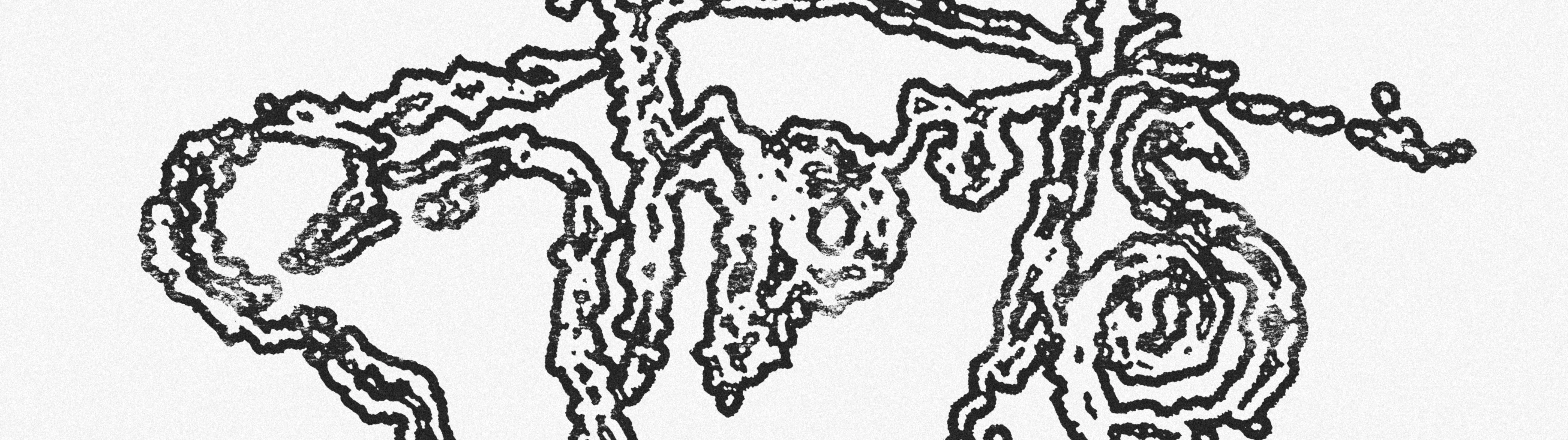
Interview with Lena Manger. Exploring a practice where design moves beyond the object, writing informs vision, and culture becomes the ground for communication.
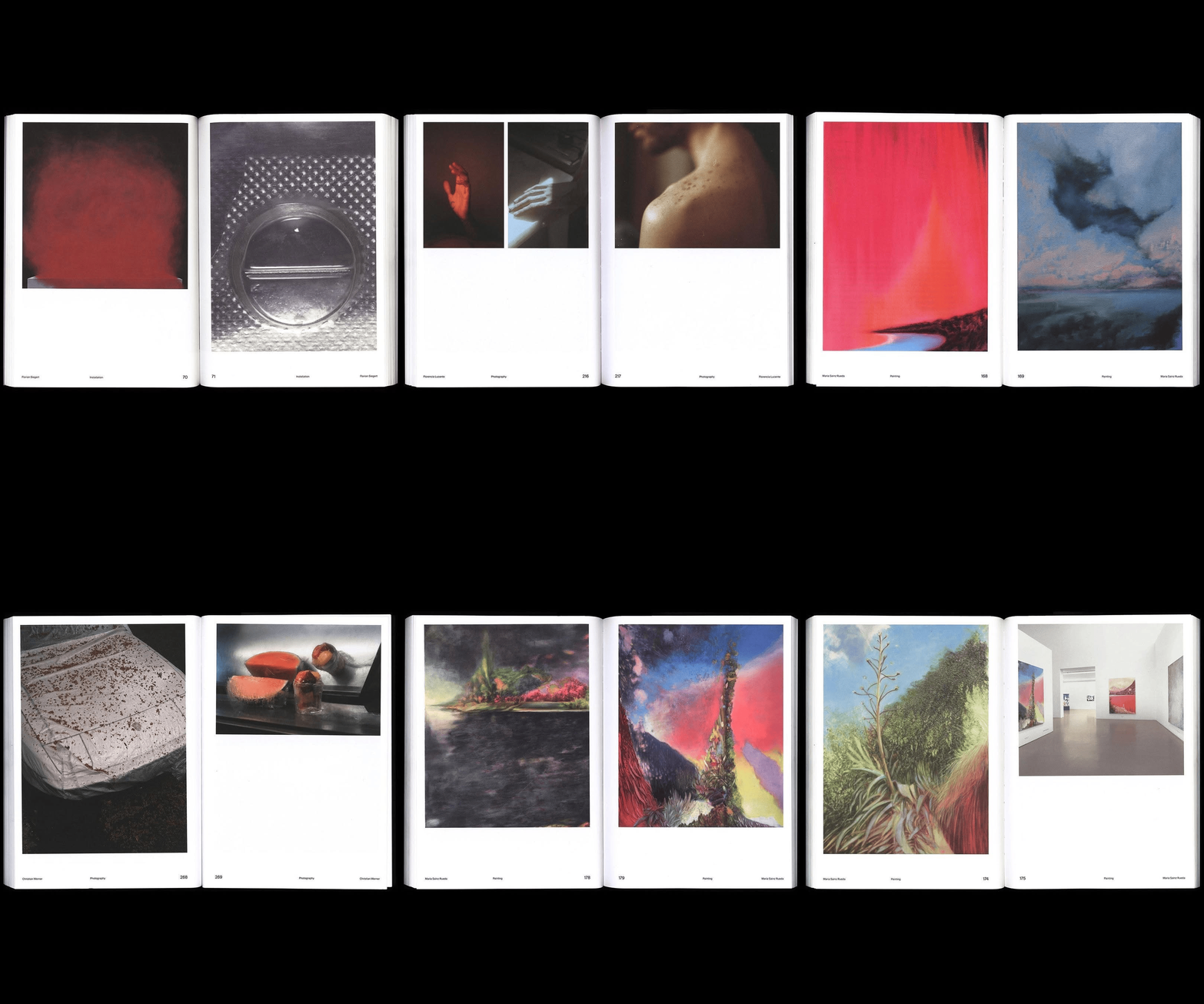
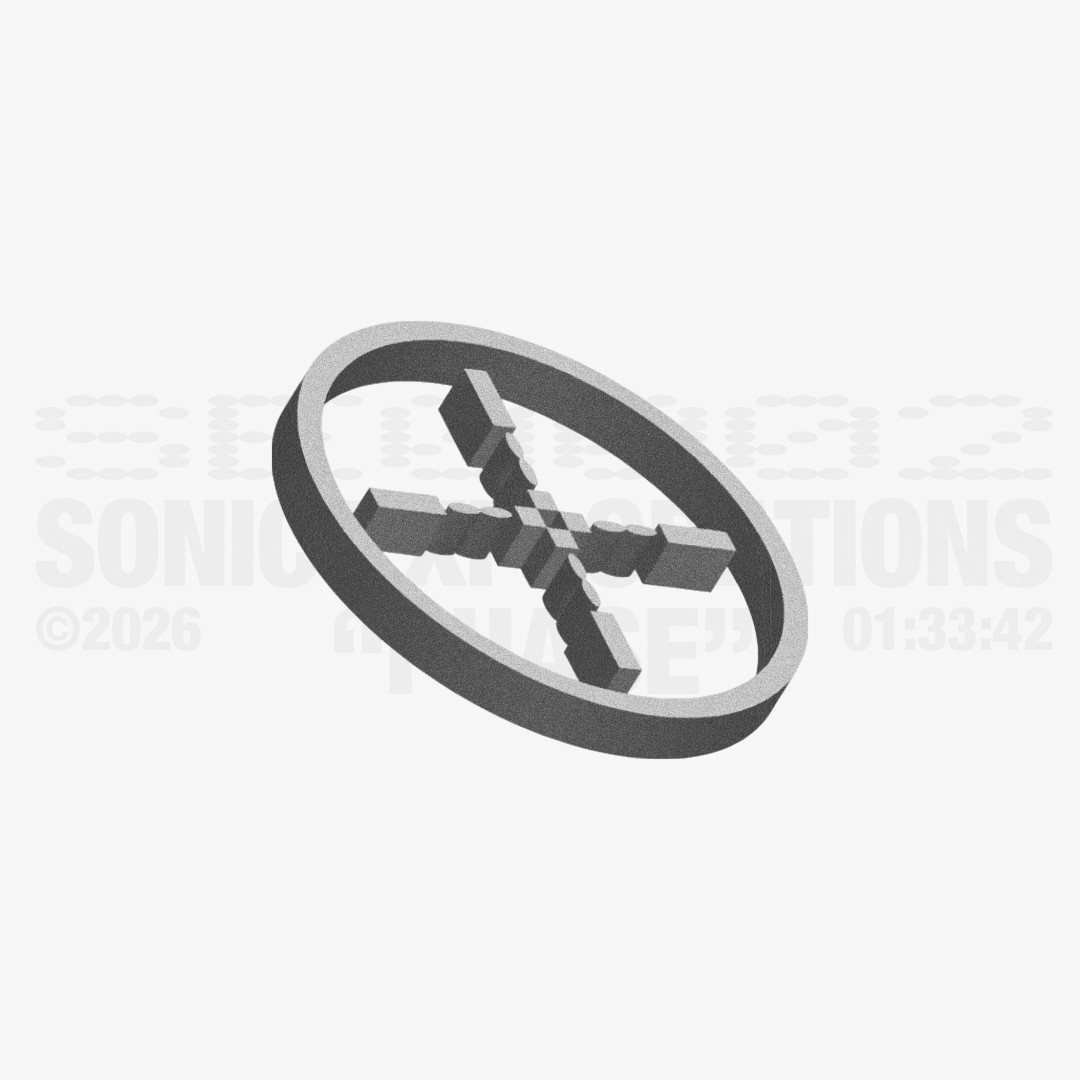
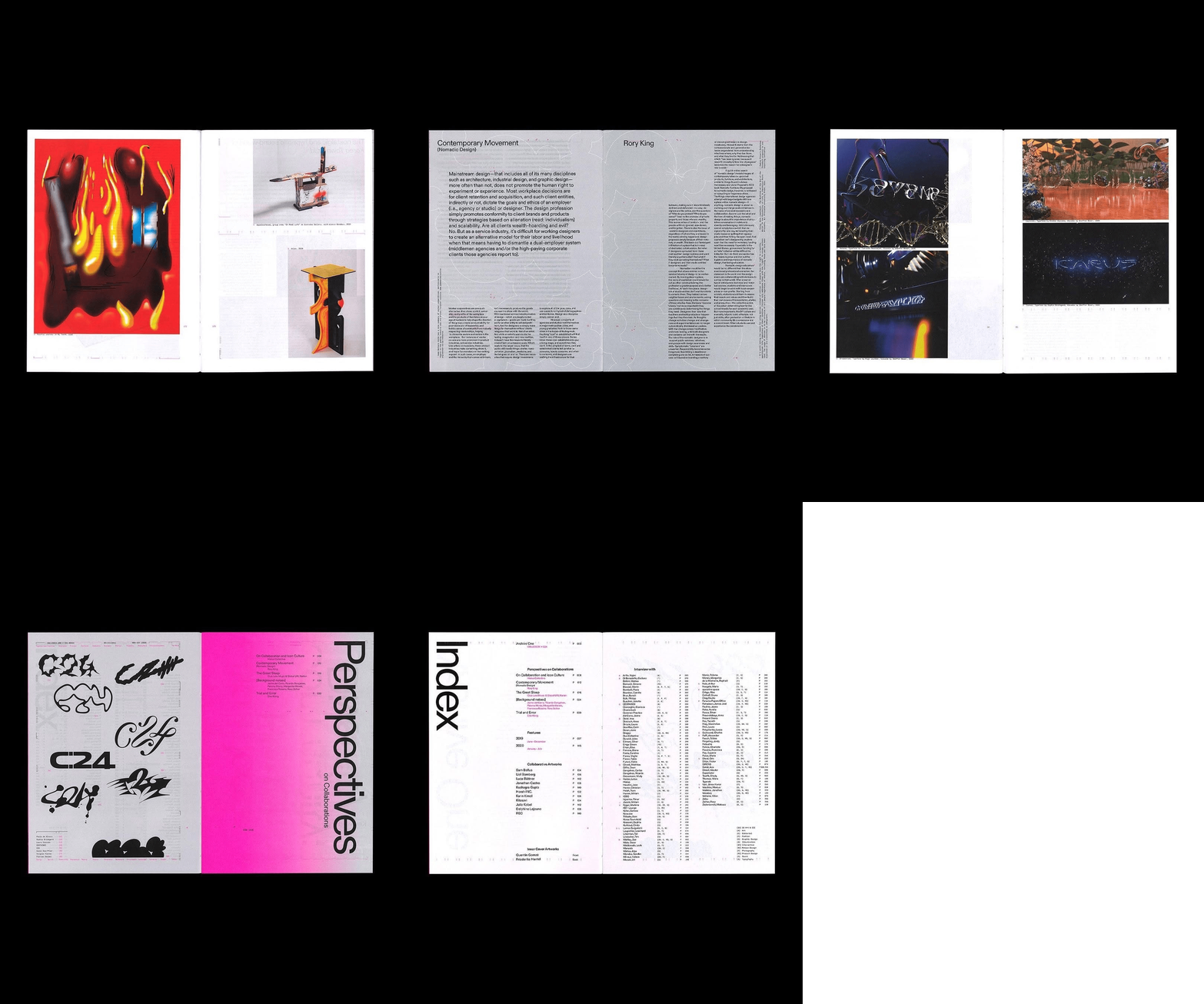
Exploring language across every aspect of her work, Lena Manger is a designer, artist, art director, and writer, currently living between Tokyo and Berlin. Rooted in curiosity and cross-cultural dialogue, her practice centers on creative ideas, visual directions, and narratives that connect her background in graphic design with art and culture. Her work translates across different disciplines, with a strong focus on typography, language, and the nuanced spaces between words. Her work was featured in the group show and accompanying book “Not for what was, but for what still lingers” (2026), curated by ZEROFEEDBACK in Tokyo, and she co-produced and contributed to the group exhibition Next (2022) at Soho House Berlin with COLLIDE24, an art and design platform she co-founded in Berlin.
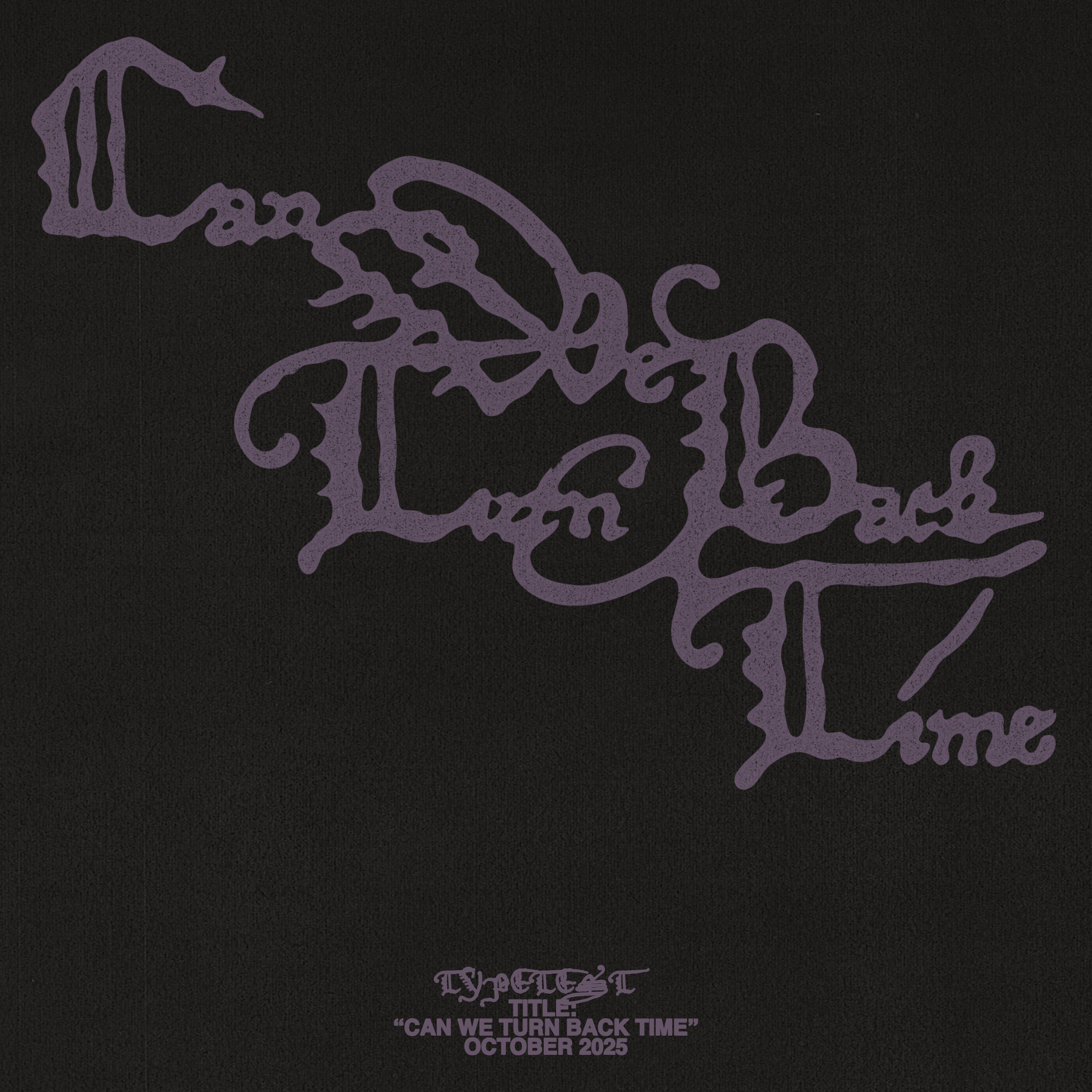
Shifting Grounds, Fluid Practices.
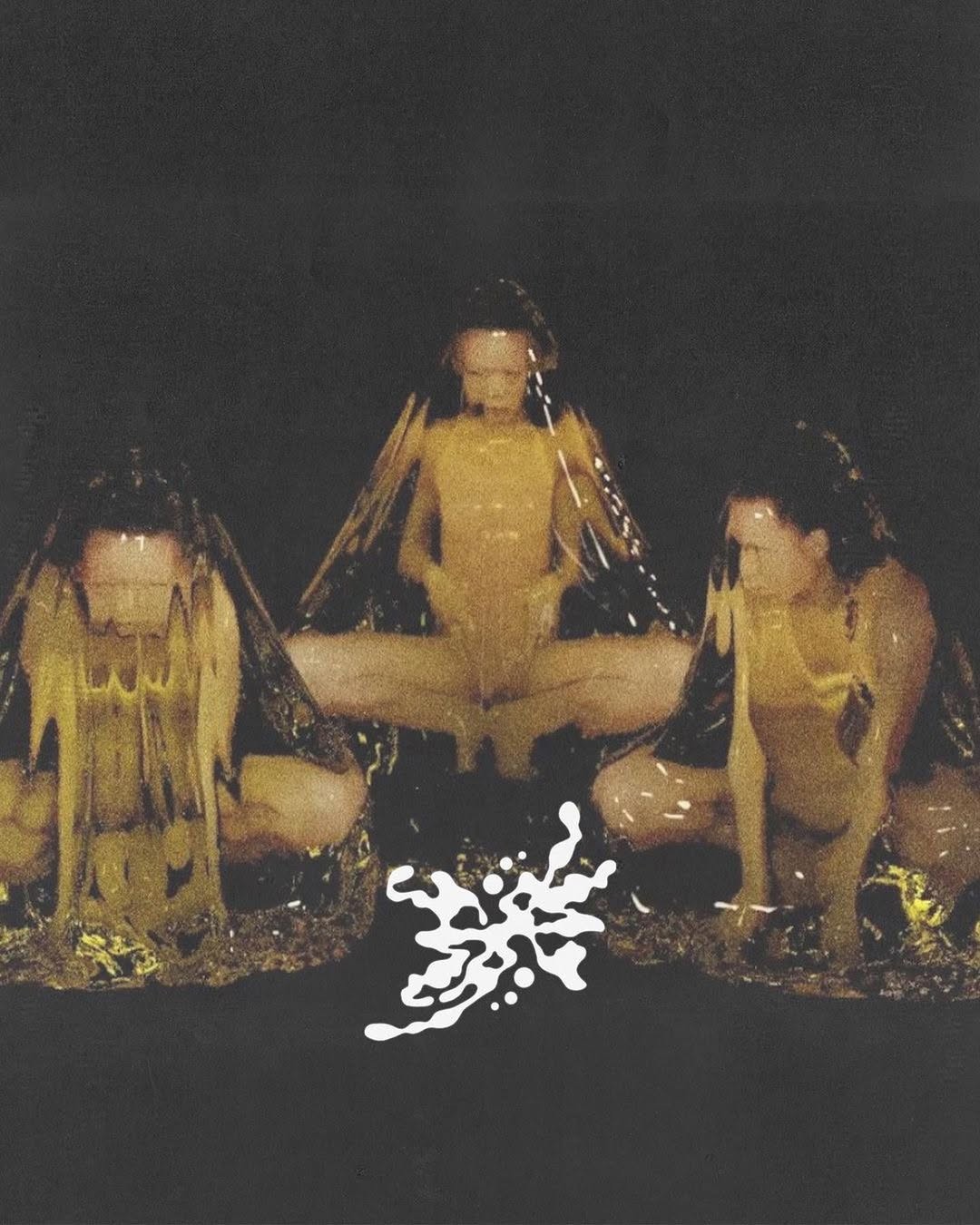
Lena’s work sits at the intersection of disciplines, shaped less by fixed aesthetics and more by the environments she moves through.
What becomes clear immediately is not a singular stylistic mark but a way of thinking, one that folds culture, writing, design, and collaboration into a practice built on exchange. She gravitates toward contexts where people bring their own worlds into the process: artists, musicians, curators, designers.
The work grows organically from these encounters, each project becoming a shared space rather than a solitary output. More than form, what interests her is the relationship between disciplines and how they can hold one another, expand one another, or unsettle one another into something new.
Design, for her, is not a sealed system. It is porous, influenced by geography, community, and the subtle emotional shifts that come with inhabiting different cities. It adapts, transforms, and stays in motion.
Learning to Read Through Form.
If design is the visible layer of her practice, writing is its undercurrent. It began quietly, childhood stories, then years of silence, and eventually a return through editorial work at Collide24. Writing interviews reawakened something she had set aside: the pleasure of shaping ideas through language, the intimacy of articulating thoughts. Journalism opened the door, but poetry is where she feels most at home now — private, vulnerable, unpolished, a place to think without expectation.
This reflective dimension seeps into her design work as well: the need for clarity, rhythm, intention. She imagines future projects that bring the two worlds together, zines, spatial installations, workshops, formats where text can be experienced beyond the page.
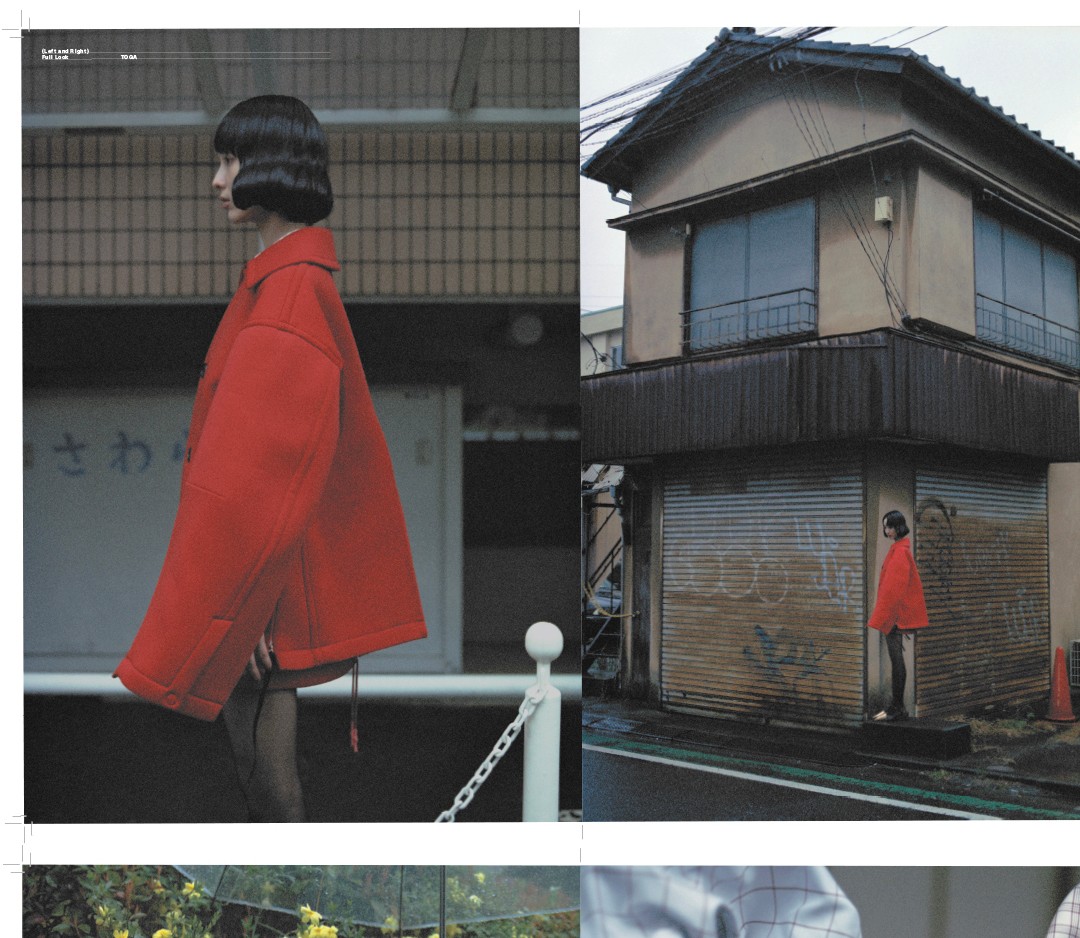
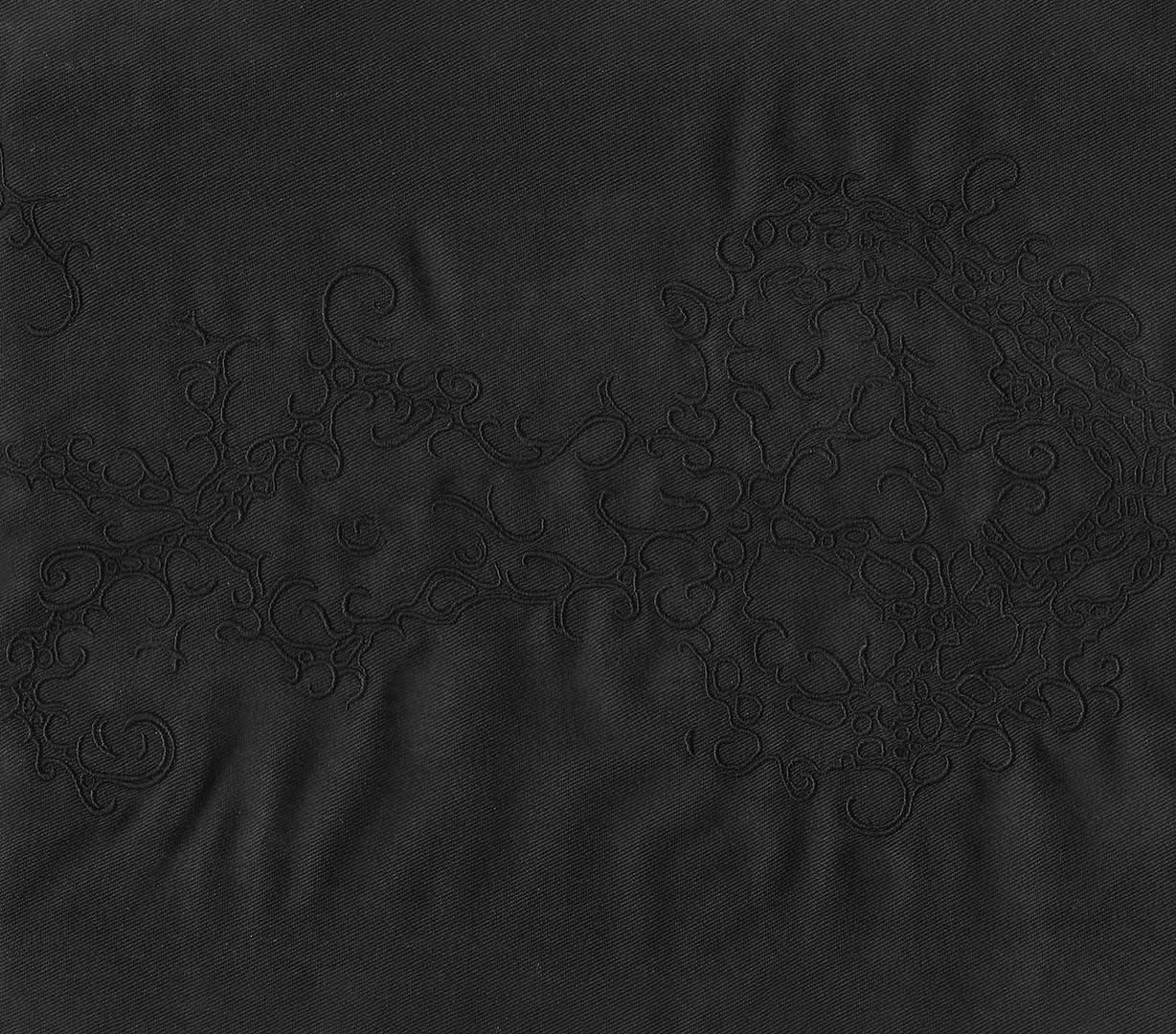
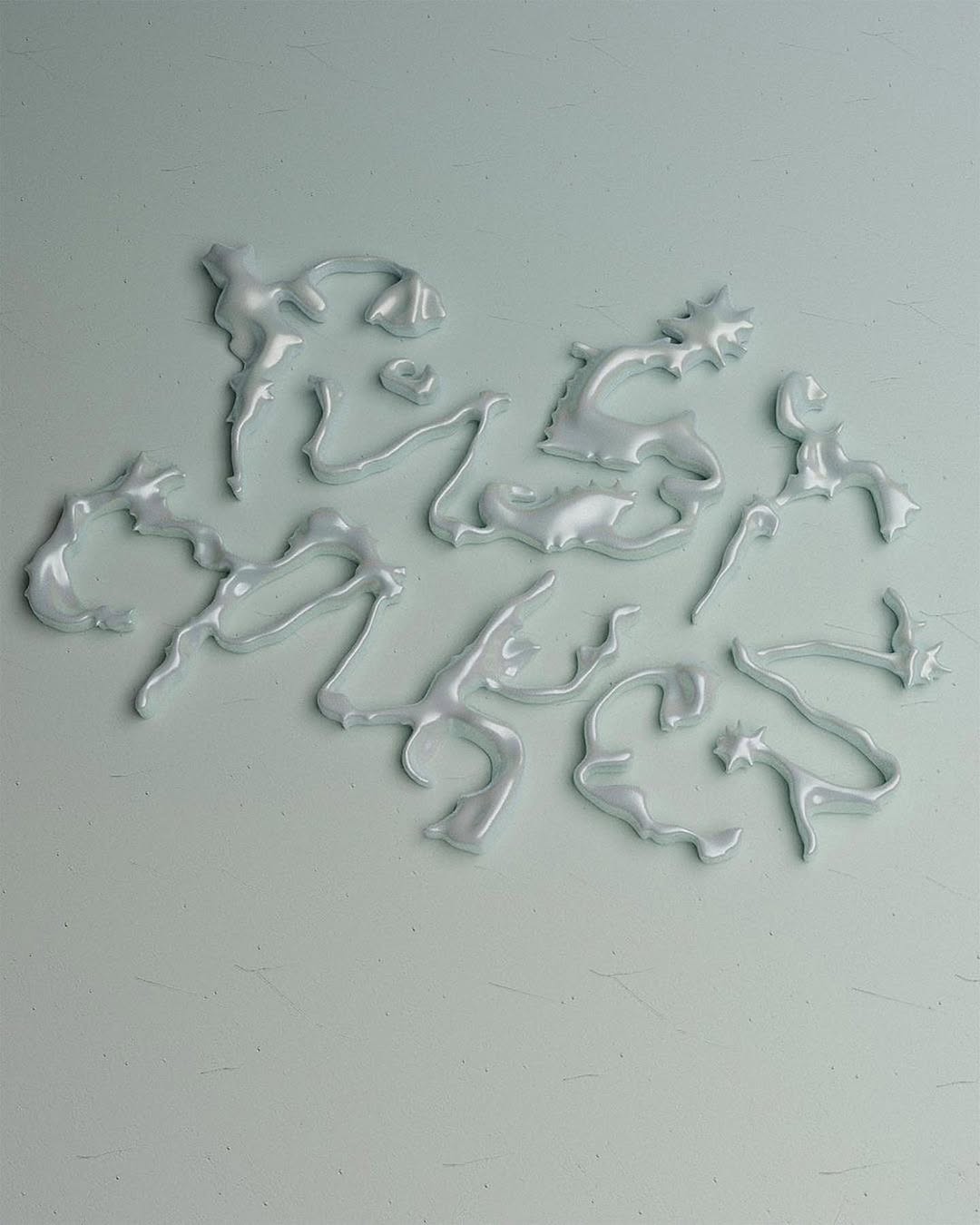
Tokyo became another layer of influence, quietly shifting how she sees and works. The city’s density and visual overload — signage, symbols, typography she cannot fully read — turned written language into pure form. “The characters become shapes,” she says, describing how unfamiliar alphabets dissolve into compositional elements rather than semantic ones.
Community in Tokyo feels different from Berlin. More dispersed, more fragile, more dependent on shared experiences of displacement. She found herself building connections mostly with other expats, people who arrived from elsewhere and are learning how to root themselves again. Yet this network has been essential, shaping not only her daily life but also her sense of creative possibility.
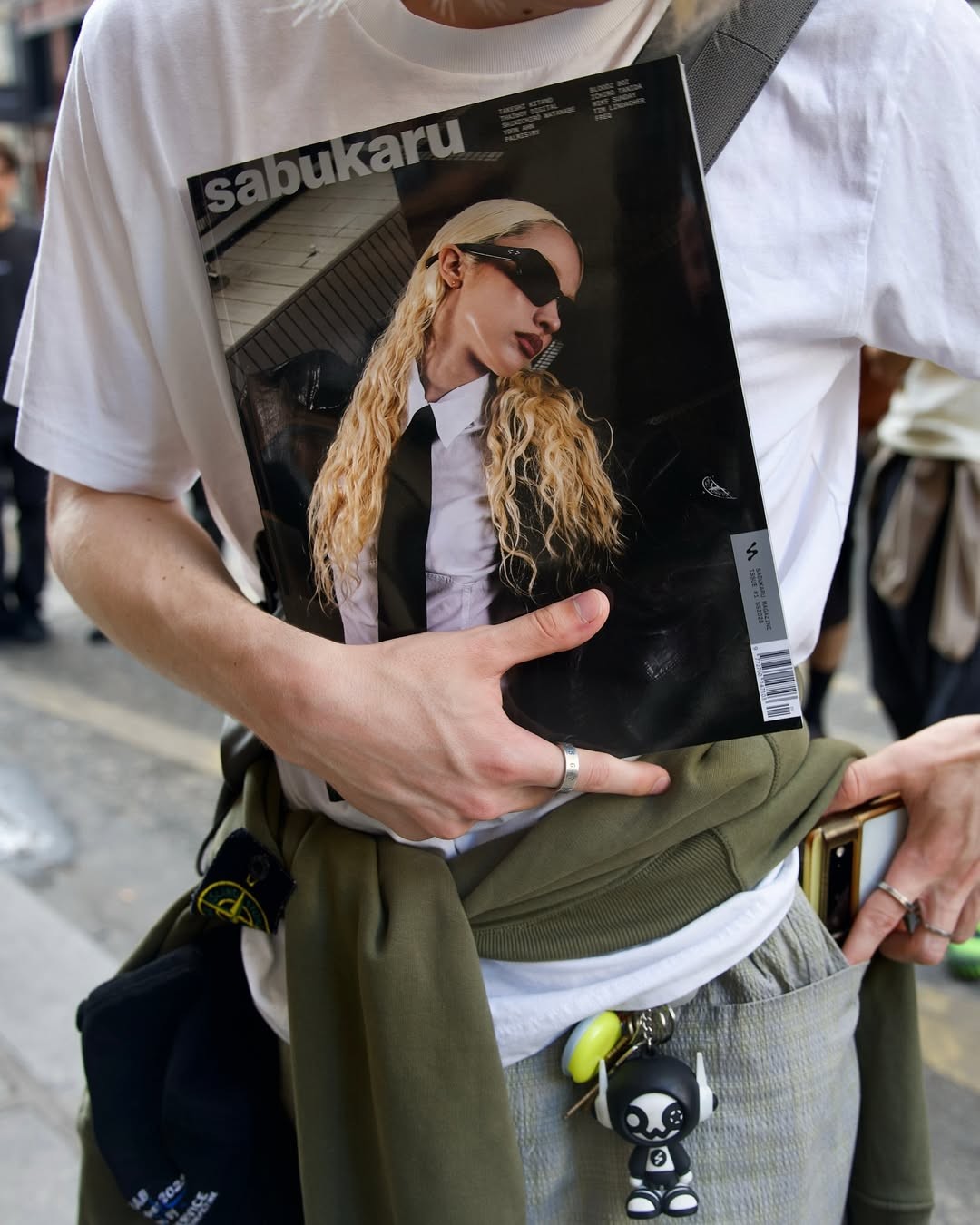
Her recent work for Sabukaru, the magazine where she contributes art direction and design, reflects this expanded perspective. Designing the first printed issue meant defining a system that could hold multiple voices, aesthetics, and stories. Each page was treated as its own moment, resisting uniformity and prioritizing discovery. Print, for her, remains a vital space: tactile, intentional, capable of carrying narrative weight in ways digital formats cannot.
“Some decisions don’t make sense on paper. You make them anyway, and only later understand why they were necessary.”
Listening to Intuition.
Risk, for Lena, is less about dramatic gestures and more about learning to trust the shifts happening internally. She describes a younger version of herself as an overthinker — someone who planned, waited, hesitated. But something changed over the last two years: she began choosing based on intuition rather than logic.
Moving to Tokyo embodies that shift. She had just settled into a new apartment in Berlin when the opportunity emerged. On paper, the move made no sense. Emotionally, it was undeniable. “It felt like a once-in-a-lifetime chance,” she says — so she left.
This instinctive approach now extends to her work. She openly acknowledges the tension between creativity and the structures surrounding it: the pressures of five-day routines, the expectation of constant output, the reality that design does not align with the rhythms of conventional labor. “You can’t access creativity endlessly,” she says, noting how easily burnout forms when the work becomes mechanical. The challenge is to maintain passion — to protect design from becoming something she performs rather than something she inhabits.
Commercial projects introduce another layer of complexity. Some are restrictive, built on guidelines that leave little room for expression; others, surprisingly, invite experimentation when clients approach her for her point of view rather than a preset formula. She navigates both, searching for a middle ground where structure doesn’t suffocate intention.
Authors: Francesco Maria Falcone, Enrico Neri and Alessio Palazzi